

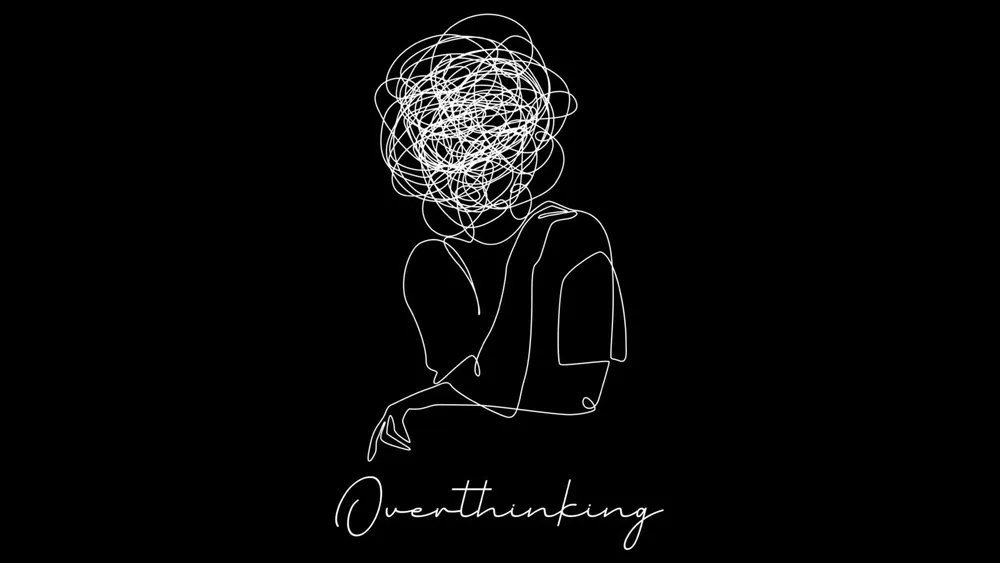
Many people think of overthinking as simply “thinking too much.” But there’s often a deeper story behind those racing thoughts. I know this because I’ve lived it. Last year, I spent nearly two months unable to decide what type of curtains to buy for the living room. Each night, I’d scroll through reviews, compare shades and textures, and even ask my family for their opinions. But I still couldn’t click “Buy.” The decision hung over me, and soon, everyday things started to bother me. I became a whirlwind of activity – talking faster, snapping at my kids, and handing out extra chores. The dishes, the laundry, a forgotten homework sheet – everything felt overwhelming. I worried about why some things weren’t done “right.” Looking back, I realize it wasn’t really about the curtains. It was about unprocessed emotions that I hadn’t faced. As Richard Carlson writes in his book, *Don’t Sweat the Small Stuff… and It’s All Small Stuff*, “Often, the root of our stress is not the event itself, but our reaction to it.”
So what you call overthinking is often your mind’s way of wrestling with feelings you haven’t named or handled yet. Psychology and science back this up. Let’s explore why overthinking happens, how it connects to emotion, and what you can do to break the cycle.
What Is Overthinking?
Overthinking means going over the same thoughts again and again, usually without finding a solution. It’s not just being thoughtful or careful. Overthinking is when your mind gets “stuck” on worries, doubts, or “what ifs.” People often replay past conversations, imagine worst-case scenarios, or get paralyzed by choices – even small ones like curtain selection.
Many experts, including psychologists from Harvard Medical School, note that overthinking is strongly linked with anxiety and rumination. Rumination means turning the same problem over in your mind without making progress. This pattern can lead to stress, trouble sleeping, and even affect relationships or work.
The Science Behind Overthinking
Research shows that overthinking is rarely just about the surface issue. According to a study in the *Journal of Abnormal Psychology*, people who overthink tend to suppress or avoid uncomfortable emotions. Instead of facing sadness, anger, or uncertainty, the brain distracts itself with endless analysis.
Here’s what happens in the brain:
- The amygdala, the brain’s emotion center, senses something “off.”
- Rather than feeling the emotion directly, the mind kicks into “problem-solving mode.”
- This leads to circular thinking – trying to think your way out of feelings.
But the more you try to “think away” the discomfort, the more it grows. The actual emotion stays unprocessed, causing stress to build up. You may end up worrying about minor issues, like whether your curtains are the right shade, as a way to avoid dealing with bigger feelings beneath.
Unprocessed Emotion: The Hidden Driver
Many people believe that overthinking is a sign of intelligence or carefulness. In reality, it’s often a sign of unprocessed emotion. Dr. Susan David, a psychologist at Harvard, explains in her book *Emotional Agility* that people use overthinking to avoid pain, uncertainty, or fear. But this strategy backfires. The original feeling doesn’t go away; it just hides under layers of thought.
Let’s break down how this happens:
- You experience a trigger – an argument, a tough decision, or a stressful event.
- Instead of feeling the emotion (like sadness or fear), you distract yourself by thinking about something else.
- Your mind latches onto small issues – the curtains, the chores, a work email.
- Overthinking grows, making you feel even more stressed or out of control.
Over time, this cycle can become automatic. The real emotion – maybe fear of making a mistake, or sadness about a change, never gets processed.
Overthinking And Daily Life
Think about my story with the curtains. The decision seemed silly, but the stress was real. I noticed other daily events began to set me off. I started to become a “busy body,” trying to control things around me.
Talking fast, giving my kids extra tasks, worrying about unfinished chores. The anxiety wasn’t really about the curtains; it was about feeling out of control in other parts of my life. The curtains were just a safe target for my mind.
Many people do this. They focus on small details – cleaning, organizing, list-making – as a way to avoid bigger feelings or decisions. As *Don’t Sweat the Small Stuff* points out, “When you focus on little things, you make them into big things.” But the reverse is also true: When you process the big emotions, the small things stop feeling so heavy.
Overthinking Vs. Healthy Reflection
Not all thinking is bad. Reflection helps you learn from mistakes, plan, and grow. But overthinking is different. Here’s a quick comparison to make it clear:
| Healthy Reflection | Overthinking |
|---|---|
| Leads to solutions or insights | Stuck on the same problem |
| Balanced, limited in time | Feels endless, exhausting |
| Focused on facts | Focused on fears and “what ifs” |
| Reduces stress | Increases stress and anxiety |
If your thinking leaves you feeling stuck, anxious, or overwhelmed, it’s probably overthinking, not healthy reflection.
Types Of Overthinking
Overthinking comes in different shapes. Understanding them helps you spot the patterns in your own life.
- Rumination – Replaying past mistakes or conversations.
- Worry – Imagining bad things that could happen in the future.
- Indecision – Being unable to choose, even about small things.
- Perfectionism – Wanting everything to be “just right,” causing delays or avoidance.
- Catastrophizing – Jumping to worst-case scenarios.
Each type is a sign that you might be avoiding an emotion, like regret, fear, or guilt.

Credit: greggvanourek.com
The Cost Of Overthinking
Overthinking may seem harmless, but it has real consequences. Research from Yale University found that chronic overthinking is linked to higher rates of anxiety disorders and depression. It can also affect your body:
- Sleep problems – Racing thoughts keep you awake at night.
- Physical tension – Headaches, stomach issues, or muscle pain.
- Relationship strain – Over-analyzing conversations or expecting perfection from others.
In a 2013 study, people who scored high on overthinking scales reported lower life satisfaction and more daily stress. This shows it’s not just “in your head”—it affects your whole life.
Why Do We Overthink?
Some overthinking is normal, especially when facing big changes. But when it becomes a habit, it’s usually because:
- You fear making mistakes – So you keep reviewing options.
- You want to avoid pain – So you think instead of feel.
- You learned it growing up – If your family worried a lot, you may have picked up the habit.
- You lack trust in yourself – So you look for certainty by thinking more.
The brain is wired to protect you from danger. But sometimes it works too hard, treating small risks (like curtain choices) as big threats.
Credit: www.waterstones.com
Unprocessed Emotions: What Are They?
Unprocessed emotions are feelings you haven’t fully noticed, accepted, or expressed. They often hide behind thoughts, actions, or habits. For example, you might be angry about a disagreement at work, but instead of feeling that anger, you get stuck worrying about unrelated details at home.
Psychologists call this emotional avoidance. It’s common, but it creates stress. As Dr. Brene Brown’s research shows, avoiding feelings does not make them go away. Instead, they show up in other ways, like overthinking, irritability, or even physical symptoms.
Signs Your Overthinking Is Actually Unprocessed Emotion
How can you tell if your overthinking is really about feelings you haven’t faced? Here are some clues:
- You get stuck on small details that don’t matter much.
- You feel tense or restless for no clear reason.
- Your mood changes quickly, especially after an “overthinking episode.”
- You avoid quiet moments where feelings might come up.
- You react strongly to minor problems.
If these sound familiar, your mind may be trying to protect you from a deeper feeling by overthinking instead.
How To Break The Overthinking Cycle
Getting free from overthinking starts with noticing the pattern. Here are practical steps, backed by research, to help you process emotions and quiet your mind.
1. Name The Emotion
When you notice yourself overthinking, pause and ask: “What am I really feeling?” Maybe it’s fear of making a mistake, sadness over a loss, or anger about something unfair. Naming the feeling helps your brain shift from “thinking mode” to “feeling mode,” which is key for processing.
2. Accept Discomfort
It’s normal to want to avoid pain. But allowing yourself to feel uncomfortable emotions, even for a short time, actually reduces their power. Studies show that when people accept their feelings instead of fighting them, stress drops and well-being rises.
3. Practice Mindfulness
Mindfulness means paying attention to the present moment without judgment. This skill helps you notice when your thoughts are spinning and gently bring your focus back. A 2016 review in *JAMA Internal Medicine* found that mindfulness reduces rumination and anxiety in people who overthink.
4. Set Time Limits For Decisions
If you’re caught in indecision, give yourself a deadline. For example, “I’ll decide about the curtains by Friday.” This creates structure and stops endless loops. Trust that you can handle the outcome, even if it’s not perfect.
5. Use The “Write It Down” Technique
Journaling is a proven way to process emotions. Write your thoughts and feelings about a problem, without editing or judging. This helps move feelings from your mind onto paper, making them easier to understand and let go.
6. Take Physical Action
Sometimes, you can’t think your way out of overthinking. Doing something physical – walking, cleaning, or stretching – can help release stuck energy. Research shows movement helps the brain shift gears and process emotion.
7. Connect With Others
Talking to a trusted friend or therapist can help you see your thoughts from a new angle. Often, just saying your worries out loud makes them feel less overwhelming.
8. Challenge Your Thoughts
Ask yourself: “Is this thought true? Is it helpful?” Many overthinking patterns are based on fears, not facts. Cognitive-behavioral therapy (CBT) teaches people to question and reframe unhelpful thoughts, which reduces anxiety and overthinking.
9. Focus On What You Can Control
Overthinking often centers on things you can’t change. Make a list of what’s in your control – your actions, your words, your attitude. Let the rest go.
10. Practice Self-compassion
Be kind to yourself. Overthinking is a habit, not a flaw. Treat yourself with the same care you’d offer a friend. Self-compassion, according to Dr. Kristin Neff’s research, helps people manage stress and process emotions more effectively.

How Overthinking Shows Up In Different Areas
Overthinking can look different at work, at home, or in relationships. Here’s how it might show up:
| Area | Common Overthinking Patterns | Underlying Emotion |
|---|---|---|
| Work | Replaying meetings, worrying about emails, fear of mistakes | Insecurity, fear of judgment |
| Home | Obsessing over chores, schedules, small details | Desire for control, anxiety |
| Relationships | Second-guessing conversations, doubting your worth | Fear of rejection, shame |
Recognizing where you overthink can help you spot which emotions might be unprocessed.
When Does Overthinking Become A Problem?
Occasional overthinking is normal. But it can become a problem if:
- It keeps you from making decisions.
- It causes ongoing stress, anxiety, or sadness.
- It affects your sleep, health, or relationships.
- You avoid situations because of worry.
If you find yourself in these patterns often, it’s a sign to seek support – from a mental health professional or trusted friend.
Practical Example: The Curtain Story Revisited
Let’s return to my curtain dilemma. At first, I thought I just wanted the “perfect” shade of white. But as the weeks went by, I realized the real issue was deeper. I was anxious about changes happening at home – kids starting new schools, a recent argument with my spouse, feeling uncertain about the future.
Instead of facing those feelings, I focused on the curtains. Making a decision about them felt “safer” than facing the big emotions.
Once I noticed this, I paused. I wrote in my journal about my worries, talked with my partner, and let myself feel sad and uncertain for a while. The curtain choice suddenly felt much lighter. I picked a shade, ordered them, and moved on.
More importantly, I learned that my mind’s busy work was really a signal to check in with my heart.
Strategies To Process Emotions (Instead Of Overthinking)
If you want to stop overthinking, you need tools to process emotions directly. Here are some science-backed methods:
Emotional Labeling
Simply naming an emotion (“I feel anxious”) activates the brain’s prefrontal cortex, which helps regulate the amygdala. This reduces emotional intensity, according to UCLA research.
“Feel And Move” Practice
Allow yourself to feel the emotion in your body for 60-90 seconds. Notice where it lives—tightness in the chest, butterflies in the stomach. Breathe and let it pass. Emotions are like waves; if you don’t block them, they fade.
Expressive Writing
Set a timer for 10 minutes and write about what’s bothering you, no filter. Studies show this can lower stress and boost mood.
Seek Meaning, Not Perfection
Ask: “What is this emotion trying to tell me?” Instead of seeking the “perfect” outcome, focus on the lesson or message behind the feeling.
When To Get Professional Help
If overthinking is causing distress, lasting sadness, or affecting your daily life, consider seeing a mental health professional. Therapies like CBT, mindfulness-based therapy, or acceptance and commitment therapy (ACT) are proven to help with overthinking and emotional processing. You can find more information at Psychology Today.
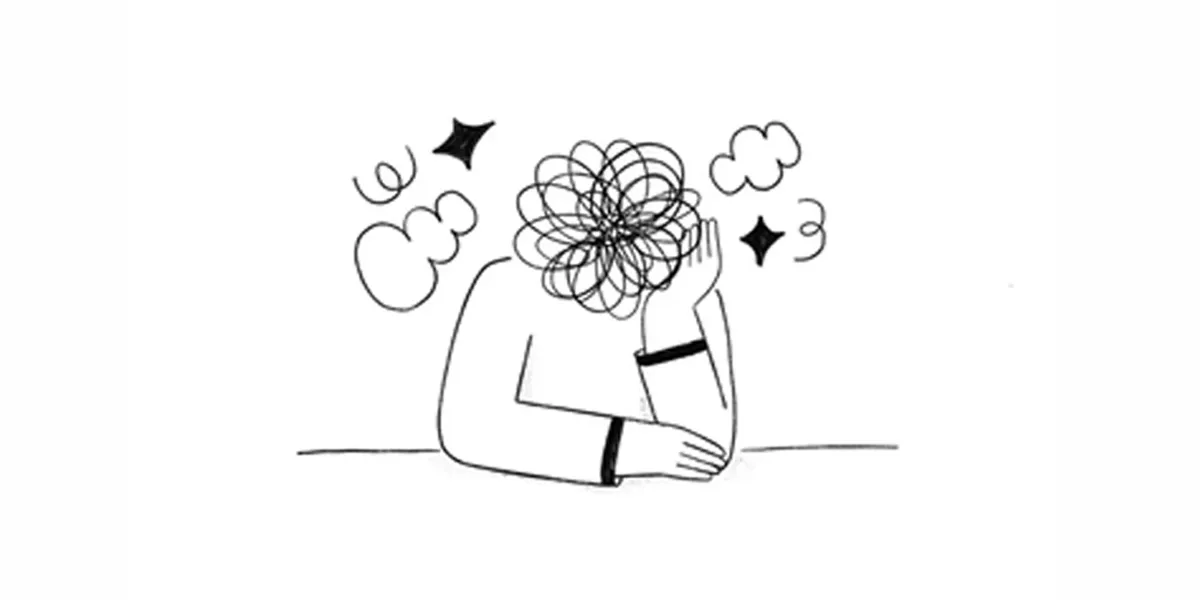
Credit: www.cui.edu
Non-obvious Insights About Overthinking
Here are two insights most people miss:
- Overthinking is often a distraction from “core emotions” like loneliness, grief, or shame. These are harder to face than anxiety or frustration, but recognizing them can help break the cycle.
- The urge to control small things is a signal, not a solution. If you find yourself micromanaging chores, schedules, or even your family, pause and ask, “What bigger feeling am I avoiding?” Control is often a substitute for safety when life feels uncertain.
Frequently Asked Questions
What Is The Main Difference Between Overthinking And Problem-solving?
Overthinking is circular and focused on fears or “what ifs.” It rarely leads to solutions. Problem-solving is focused, time-limited, and leads to action or learning. If your thinking helps you move forward, it’s problem-solving; if it leaves you stuck, it’s overthinking.
Can Overthinking Cause Physical Symptoms?
Yes. Overthinking can lead to headaches, muscle tension, stomach issues, and trouble sleeping. The body responds to mental stress as if it’s a real threat, activating the stress response system.
How Can I Stop Overthinking At Night?
Try a “worry journal” before bed – write down your worries, set them aside, and practice slow breathing. Mindfulness and a calming bedtime routine also help quiet a racing mind.
Is Overthinking A Sign Of Intelligence?
Not always. While intelligent people may analyze more, overthinking is a response to unprocessed emotion, not a sign of wisdom or insight. The key is using your mind as a tool, not letting it run wild.
Are There Any Books Or Resources You Recommend For Overcoming Overthinking?
Yes. *Don’t Sweat the Small Stuff… and It’s All Small Stuff* by Richard Carlson and *Emotional Agility* by Susan David offer practical tools. For more science-based help, visit Psychology Today’s overthinking section.
Overthinking is not a flaw – it’s a signal. When you learn to process your emotions, your mind becomes quieter, your choices feel easier, and even white curtains lose their power over you.
If you find yourself stuck in overthinking, I created something simple to help.
The Overthinking Reset is a quick tool to help you step out of the spiral and back into clarity in less than a minute.
👉 Access The Overthinking Reset here. (Delivered straight to your inbox)