


How Can Setting Boundaries Improve Emotional Well-being?
Imagine you’re at work, and your boss keeps asking you to stay late, again. Or maybe a friend always calls with their problems but never asks how you’re doing. Over time, you start to feel drained, stressed, and maybe even resentful.
These feelings are common when you don’t set boundaries. But what if you could change this? Setting boundaries is not just about saying “no. ” It’s about protecting your emotional well-being, building respect, and creating healthier relationships.
Many people struggle with boundaries because they don’t want to upset others or seem selfish. But research in psychology and coaching shows the opposite: clear boundaries make you stronger, more confident, and less stressed. In fact, learning to set healthy limits may be one of the most powerful skills for emotional health.
What often gets missed in conversations about boundaries is that the struggle usually does not start with what you say. It starts earlier, in the body. A tightening in your chest. A drop in your stomach. A sudden sense of pressure, guilt, or dread. And before you have even fully registered what you feel, you may already be overriding yourself.
In this article, you’ll discover how boundaries work, why they matter, and how they can transform your emotional well-being. We’ll dive into scientific findings, practical tips, and real-life examples to help you understand and apply this life-changing skill.
What Are Boundaries And Why Do They Matter?
Boundaries are like invisible lines you draw around yourself. They define what you are comfortable with and what you are not. According to the American Psychological Association, personal boundaries help you separate your own thoughts, feelings, and needs from those of others. They are a core part of emotional health and self-respect.
Boundaries are not just abstract ideas. They help you recognize what feels okay, what does not, and what you need in order to stay connected to yourself in relationships, work, and everyday life.
Types Of Boundaries
Not all boundaries are the same. Here are the main types:
- Physical boundaries: Your personal space, touch, and physical needs.
- Emotional boundaries: Protecting your feelings and emotional energy.
- Time boundaries: How you use your time and who can demand it.
- Mental boundaries: Respecting your thoughts, values, and opinions.
- Material boundaries: How you share or protect your things.
- Digital boundaries: Managing technology, social media, and digital communication.
Each boundary type plays a role in keeping you healthy, safe, and respected.
Why Boundaries Are Essential
Without boundaries, you may:
- Feel overwhelmed or resentful
- Lose your sense of identity
- Experience more stress and anxiety
Psychologists agree that people with clear boundaries tend to have higher self-esteem, better relationships, and less emotional burnout. According to Dr. Brené Brown, a research professor and best-selling author, “Daring to set boundaries is about having the courage to love ourselves, even when we risk disappointing others.”
The Science Behind Boundaries And Emotional Health
Modern psychology and neuroscience offer strong evidence for the power of boundaries. Setting boundaries is not just a social skill, it’s a way to manage your brain’s stress response.
Stress And Emotional Overload
When you don’t have clear limits, your brain stays in a state of chronic stress. According to a study published in the journal *Stress and Health*, people who struggle to set boundaries are more likely to suffer from anxiety, depression, and even physical illness.
The cortisol hormone rises when you feel you have no control or cannot say no. Over time, high cortisol can damage your immune system, sleep, and mood.
Boundaries And Self-esteem
Research from the University of California shows that people who regularly set and maintain boundaries have higher self-esteem and confidence. They report feeling more in control of their lives and less likely to be manipulated or taken advantage of.
Impact On Relationships
According to the Gottman Institute, which studies relationships, couples with healthy boundaries communicate better and have more satisfying connections. Boundaries help partners respect each other’s needs and avoid patterns of resentment or withdrawal.
How Setting Boundaries Boosts Emotional Well-being
Setting boundaries is one of the best ways to protect your emotional well-being.
Sometimes the impact of poor boundaries is easy to miss because it builds slowly. You might look functional from the outside while internally feeling exhausted, reactive, or disconnected. You may keep showing up for everyone else while your body carries the cost through tension, anxiety, resentment, and emotional overload.
Here’s how strong boundaries make a difference:
1. Reduces Stress And Anxiety
When you say “no” to things that drain you, you give your mind a break. You avoid overcommitting, which means you have more energy and time for yourself. According to the Mayo Clinic, people who set boundaries report less stress and fewer symptoms of anxiety.
2. Builds Self-respect
Every time you set a boundary, you send a message to yourself: “I matter.” This builds self-respect. Over time, you’ll notice you feel stronger and less likely to let others walk over you.
3. Improves Relationships
Healthy boundaries are the foundation of good relationships. They help you avoid feeling resentful or taken for granted. When you communicate your needs clearly, people are more likely to respect you.
4. Prevents Burnout
If you’re over giving and rarely saying no, you’ll eventually feel burned out. Boundaries help you save energy for the things and people that matter most.
5. Increases Emotional Stability
Boundaries help you manage your emotions. When you’re not constantly reacting to others’ needs, you have space to check in with yourself. This leads to more emotional stability and less mood swings.
6. Encourages Personal Growth
When you protect your time and energy, you have more resources to focus on your goals and hobbies. This supports growth and a sense of fulfillment.
What This Looks Like In Real Life
Sometimes a boundary is not dramatic. It is noticing the urge to say yes, pausing, and realizing you actually need rest. It is feeling your jaw tighten in a conversation and recognizing that you are about to agree to something you do not want. It is deciding not to explain yourself for five minutes straight just to make someone else more comfortable.
Sometimes, it’s easier to understand boundaries through examples. Here are a few situations:
- At Work: You tell your boss you can’t work weekends because you need time with your family.
- With Friends: You let a friend know you can listen for 10 minutes, but after that, you need to focus on your own tasks.
- With Family: You explain to your family that you will not answer calls during work hours.
Notice that boundaries are not about rejecting people. They are about respecting yourself while staying connected.
Common Challenges People Face
Many people struggle with boundaries for similar reasons:
- Fear of conflict: Worry that others will be upset or angry.
- Guilt: Feeling selfish for putting your needs first.
- Cultural expectations: Some cultures teach people to always put others first.
- Low self-esteem: Belief that your needs are not as important as others’.
For many people, these reactions are not random. They were learned for a reason. If keeping the peace, staying agreeable, or not taking up too much space once helped you feel safe or connected, boundary work may feel uncomfortable even when you know it is needed.
These reactions were learned for a reason. When you understand them, you can respond differently instead of fighting yourself.
Practical Steps To Setting Healthy Boundaries
Learning to set boundaries takes practice. Here’s a step-by-step guide:
1. Pause and Notice Your Body First.
Before you respond automatically, pause. Notice what is happening in your body. Do you feel tight, heavy, tense, rushed, or constricted? Or do you feel open, calm, and clear? Your body may be giving you information before your mind has fully caught up.
2. Identify Your Limits
Think about situations where you feel stressed, angry, or resentful. These feelings often signal that a boundary is needed.
3. Be Clear And Direct
Use simple language. For example, “I’m not available for that right now,” or “I need some time alone after work. ”
4. Start Small
If you’re not used to boundaries, begin with less risky situations. Practice saying no to small requests.
5. Use “i” Statements
Express your needs without blaming others. For example, “I feel overwhelmed when I have too many tasks. ”
6. Be Consistent
Repeat your boundaries as needed. People may test your limits at first. Stay firm but calm.
7. Prepare For Pushback
Some people won’t like your new boundaries. That’s normal. Stay calm, and remember why you set them.
8. Get Support
Talk to a coach, therapist, or trusted friend. They can help you stay strong and give suggestions.
The Role Of Assertiveness
Assertiveness is the skill of expressing your needs and rights without being aggressive. It’s key for healthy boundaries. According to the American Psychological Association, assertive people are less likely to feel anxious or depressed.
Assertiveness means:
- Speaking up for yourself
- Saying no without guilt
- Asking for what you need
You can learn assertiveness with practice and, if needed, coaching or therapy.
How Boundaries Protect Against Manipulation
Without boundaries, you’re more likely to be manipulated by others. People may:
- Guilt-trip you into doing things you don’t want to do
- Take advantage of your kindness
- Ignore your needs
Boundaries stop this cycle. They teach others how to treat you and show that you value yourself.
Boundaries At Work Vs. Personal Life
Boundaries can look different depending on the situation. Here’s a comparison:
| Work Boundaries | Personal Boundaries |
|---|---|
| Not answering emails after work hours | Not answering personal calls during work |
| Delegating tasks when overloaded | Limiting how much you listen to others’ problems |
| Saying no to unpaid overtime | Saying no to family events when you need rest |
Both types matter. To begin improving boundaries, notice where you feel most stressed and start there.
The Connection Between Boundaries And Mental Health
Psychology research shows a clear link between boundaries and mental health. People who set boundaries are less likely to suffer from depression, anxiety, and chronic stress.
A study from the *Journal of Counseling Psychology* found that boundary-setting skills predict better emotional resilience. This means you bounce back from stress faster and feel less overwhelmed by life’s challenges.
This is one reason boundaries are not just about communication. They are deeply connected to nervous system regulation, emotional safety, and self-trust.
Boundaries And Self-care
Boundaries are a core part of self-care. They protect your time for rest, hobbies, and health. Without boundaries, self-care often gets pushed aside.
Examples of self-care boundaries:
- Blocking off time for exercise or meditation
- Saying no to social events when you need a break
- Turning off your phone at night
Protecting your self-care routine is not selfish, it’s necessary for long-term well-being.
Cultural Differences In Boundary Setting
Not all cultures view boundaries the same way. In some cultures, saying no is seen as rude. In others, individual needs are valued more.
| Culture | View on Boundaries | Common Practice |
|---|---|---|
| United States | Individualistic | Direct communication of needs |
| Japan | Collectivist | Indirect, avoid confrontation |
| India | Family-focused | Family needs often come first |
If you come from a culture where boundaries are hard, start small. You can set limits respectfully.
Credit: health.ucdavis.edu
Boundary Setting In The Digital World
Technology has made boundaries even more important. With smartphones and social media, people can contact you anytime.
Common digital boundaries:
- Not replying to messages after a certain hour
- Limiting who can see your online activity
- Muting group chats when you need focus
Setting digital boundaries protects your attention and reduces digital burnout.
What Happens When Boundaries Are Ignored
Ignoring boundaries leads to many problems:
- Emotional exhaustion: Always giving, never receiving
- Resentment: Feeling angry at others for not respecting you
- Loss of identity: Forgetting your own needs and values
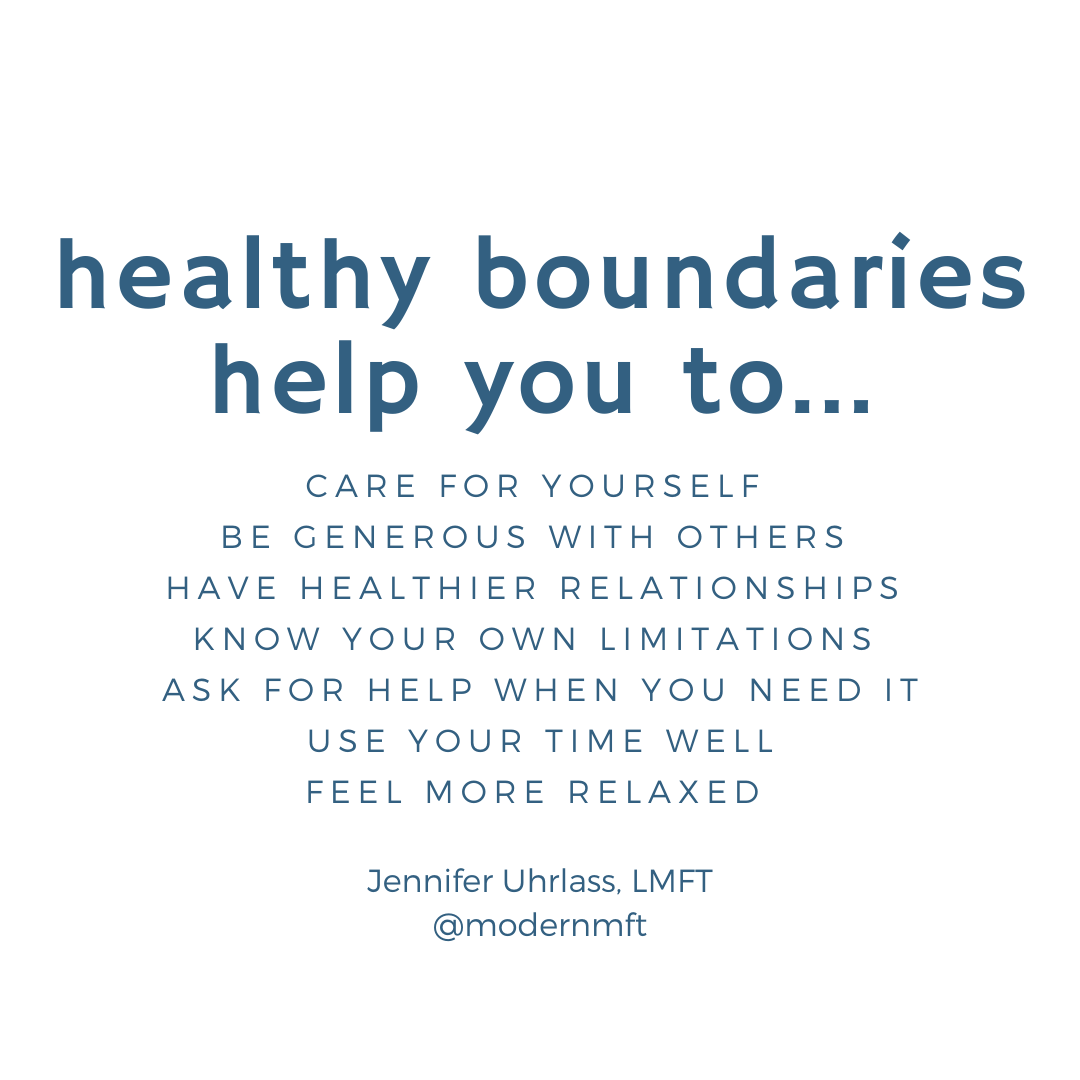
Over time, these issues can lead to more serious mental health problems. That’s why boundary setting is not optional, it’s essential.
Credit: www.modernmft.com
Coaching And Therapy For Boundaries
Many people learn boundaries through coaching or therapy. A coach helps you practice saying no, role-play tough talks, and plan strategies. Therapists can help you heal from past experiences where your boundaries were ignored or violated.
If you find boundary setting very hard, consider reaching out to a professional. They use science-backed methods that work. The International Coach Federation and the American Psychological Association both recommend professional help for boundary issues.
Non-obvious Insights Most Beginners Miss
Here are a few important things people often miss when they are first trying to improve their boundaries:
- Boundaries are about what you do, not just what you say. For example, if someone keeps calling late at night, you can stop answering, not just ask them to stop. Actions reinforce your words.
- Boundaries can be flexible. Some people think boundaries are harsh lines. In reality, you can adjust them as relationships grow or situations change. The key is being aware and intentional.
How To Know If Your Boundaries Are Working
You’ll notice your boundaries are effective when:
- You feel less stressed and more in control
- People respect your limits without drama
- You have more energy and enjoy your relationships
If you still feel resentful or exhausted, check if you need to be clearer or more consistent.
Mistakes To Avoid When Setting Boundaries
Even with good intentions, some common mistakes can make boundary setting harder:
- Being too vague: “I don’t like that” is less clear than “Please don’t call after 9 PM.”
- Apologizing too much: Saying sorry for your needs can weaken your boundary.
- Getting aggressive: Shouting or blaming makes others defensive.
- Giving up after pushback: Some people will test your limits. Stay calm and repeat your boundary.
Learning from these mistakes helps you get better over time.
How To Support Others In Setting Boundaries
If someone you care about is learning to set boundaries, you can help by:
- Listening without judgment
- Respecting their limits, even if you don’t agree
- Encouraging them to practice
- Not taking it personally if they say “no”
Supporting others in this way builds trust and healthier connections.
Using Boundaries To Recover From Past Trauma
For people who have experienced trauma or abuse, boundaries are especially important. Trauma often involves having boundaries ignored or broken. Recovery means learning to protect yourself again.
Trauma-focused therapy often includes boundary-setting skills. This helps survivors feel safer and more in control. According to the National Institute of Mental Health, boundaries can reduce symptoms of post-traumatic stress and improve emotional healing.
The Link Between Boundaries And Happiness
Studies show that people with strong boundaries are generally happier. They experience more satisfaction in relationships and less stress at work. According to a survey by the *American Psychological Association*, 80% of people who practice regular boundary setting report higher levels of happiness and life satisfaction.
When Boundary Setting Goes Wrong
Sometimes, boundaries can backfire if used as walls rather than bridges. If you cut everyone off or never compromise, you may end up isolated. Healthy boundaries balance your needs with connection to others.
Ask yourself:
- Am I using boundaries to avoid all discomfort?
- Do I communicate my limits, or just withdraw?
If you notice these patterns, adjust your approach.
How To Teach Kids About Boundaries
Children need to learn boundaries early. This helps them stay safe and build confidence.
Tips for teaching kids:
- Model clear boundaries yourself
- Let them say “no” to hugs or touch they don’t want
- Praise them for speaking up about their needs
- Teach respect for others’ boundaries
Kids who learn boundaries grow up with stronger self-esteem and better social skills.
Setting Boundaries In Romantic Relationships
Love does not mean saying yes to everything. Healthy couples talk about their limits – time together, privacy, and personal space. According to relationship coaches, the happiest couples are those who can say no and still feel loved.
Examples:
- Agreeing on quiet time after work
- Discussing how much time to spend with friends
- Respecting different needs for affection or space
Open talks about boundaries build trust and intimacy.
Boundaries, Empathy, And Compassion
You can have boundaries and still be kind. In fact, boundaries allow you to give to others without feeling resentful. Compassion does not mean saying yes to everything. It means caring for yourself so you have energy to care for others.
Dr. Kristin Neff, a leading researcher in self-compassion, says: “Self-compassionate people are more likely to set strong boundaries, because they recognize their own needs matter.”
Tools And Resources For Better Boundaries
If you want to learn more or need help, try these resources:
- Start here:
10 Boundary Patterns That May Be Draining Your Energy
A free guide to help you recognize common patterns, notice what is happening in your body, and begin responding differently in real life.
- Go deeper:
Setting Boundaries In Real Life
A practical course to help you understand why boundaries feel hard and begin following through in real-life moments.
- Books like “Boundaries” by Dr. Henry Cloud and Dr. John Townsend
- Therapy or coaching sessions
- Support groups (in-person or online)
For more research on boundaries and mental health, see this American Psychological Association resource.

Credit: positivepsychology.com
Frequently Asked Questions
What Are Healthy Boundaries?
Healthy boundaries are clear limits you set to protect your emotional, physical, and mental well-being. They help you decide what you are comfortable with and how you want others to treat you.
How Do I Know If I Need Better Boundaries?
If you often feel stressed, resentful, or overwhelmed, you may need stronger boundaries. Pay attention to situations where you feel taken advantage of or exhausted.
Can Setting Boundaries Hurt Relationships?
At first, some people may be upset when you set new boundaries. But in the long run, boundaries make relationships healthier because they are based on respect and understanding.
What If Someone Ignores My Boundaries?
If someone keeps ignoring your limits, repeat them clearly and calmly. If the behavior continues, limit contact or seek support from a coach or therapist. Consistency is key.
Are Boundaries Selfish?
No, boundaries are not selfish. They help you care for yourself so you can be your best for others. Healthy boundaries are a sign of respect for yourself and those around you.
Setting boundaries is a skill that improves every part of life—from your emotional health to your relationships. It’s not always easy, but it is always worth it. As you practice, you’ll discover more peace, confidence, and happiness in your everyday life.